
When you look at a house, it’s like checking to see if everything is safe and just right. Look for cracks in the foundation, uneven floors, water stains, or mold. Check the roof for missing shingles. Make sure the electrical, plumbing, and heating systems work well. Write down any problems you find. These things are important because they keep your home safe and strong. Finding issues early helps you make smart choices, fix problems, or decide if it’s best to find another house. Taking care of your home is part of your family’s story and future. Want to learn more tips to protect your home and family? Sign up for our email newsletter below. We’re here to help you make the best choice!
Why a Home Inspection Is Essential Before Buying

Buying a house is a big deal. It’s not just about the nice look on the outside. It’s about safety, care, and making a smart choice.
A home inspection is like a check-up for the house. It helps you see if everything is safe and strong inside. When you know the truth about the house, you can be proud of your choice.
It’s your way to protect your family and keep a tradition of smart, caring home buying.
Do you want to make sure your new home is safe and sound? Sign up for our email newsletter below. We’ll help you make the best choice!
The assessment also gives you a clear Readiness Score so you know where you stand and what to improve.
How to Prepare for Your Home Inspection
Getting your home ready for a visit can feel like showing off a treasure! Make sure the places where the inspector will look—like the doors, windows, and furnace—are clear and easy to see.
Gather papers like warranties and old maintenance notes to show you’ve taken good care of your home. When you get everything organized, it shows pride and care.
It’s a smart choice to keep your home safe and strong for your family’s future. Take control and do your best!
Want more tips to keep your home safe and happy? Sign up for our email newsletter below and stay connected!
Clear the Inspection Area
Get Your Home Ready for the Inspection!
Your home is more than just walls and floors—it’s your special place where memories are made. When a home inspector comes, they need to see every part of your house to make sure it’s safe and sound. You can do something simple—clear the way! Make sure walkways are free, furniture is moved, and clutter is gone.
It’s a small act that shows you care about your home and your family’s safety. Think of it like taking pride in your house—your little castle. By doing this, you show smart judgment and respect for tradition and your family’s future.
When your house is clean and safe, you’re protecting your legacy and making sure your home stays a happy place for years to come.
Use this simple checklist to help you get ready:
- Entrance: Clear obstacles so everyone can come in easily.
- Hallways: Remove clutter so no one trips.
- Utility Rooms: Tidy up to show good maintenance.
- Basement: Keep pathways clear so the inspector can check everything.
- Attic: Make access points easy to see and open.
You’re doing a wonderful job caring for your home. When you prepare well, you keep your family safe and proud of where you live.
Ready to learn more tips to keep your home happy and safe? Subscribe to our email newsletter below and stay connected with helpful advice!
Gather Necessary Documents
Getting your papers ready before the home inspection is a big step. When you have your mortgage papers, property info, warranties, and permits all organized in one folder, it shows you care.
Being prepared makes the inspection go smoothly. It’s a way to show pride in your home and keep your family safe.
Taking these smart steps gives you control and helps protect your legacy.
Want more tips to make your home the best it can be? Sign up for our email newsletter below and stay connected!
Understanding the Home Inspection Process and What to Expect

A home inspection is a big step. It takes a few hours, but it helps you see if the house is safe and in good shape.
A friendly expert will check important things like electricity, water pipes, and heating. You can ask questions and learn if there are any problems.
A friendly expert checks electrical, plumbing, and heating systems—answer questions and identify any issues.
Doing this shows you care about your family’s safety and your future. It’s a way to make smart choices, protect your home, and keep your family safe for many years.
Want to stay informed and learn more? Sign up for our email newsletter below — we’re here to help you make the best decisions!
Assessing the Foundation: Cracks, Settlement, and Stability
Your home’s foundation is what keeps your family safe and your house strong.
Look carefully for cracks in the walls or floors—especially big or uneven ones. Notice if doors or windows don’t open or close right—that’s a sign something might be shifting.
If you see these signs, it’s smart to ask a professional to check. Taking care of your home’s foundation shows you love your family and want to keep them safe.
A strong, steady home is part of your family’s story and legacy.
Want to learn more tips to keep your home safe? Sign up for our email newsletter below and stay in the know!
Spotting Structural Red Flags in the Home’s Frame
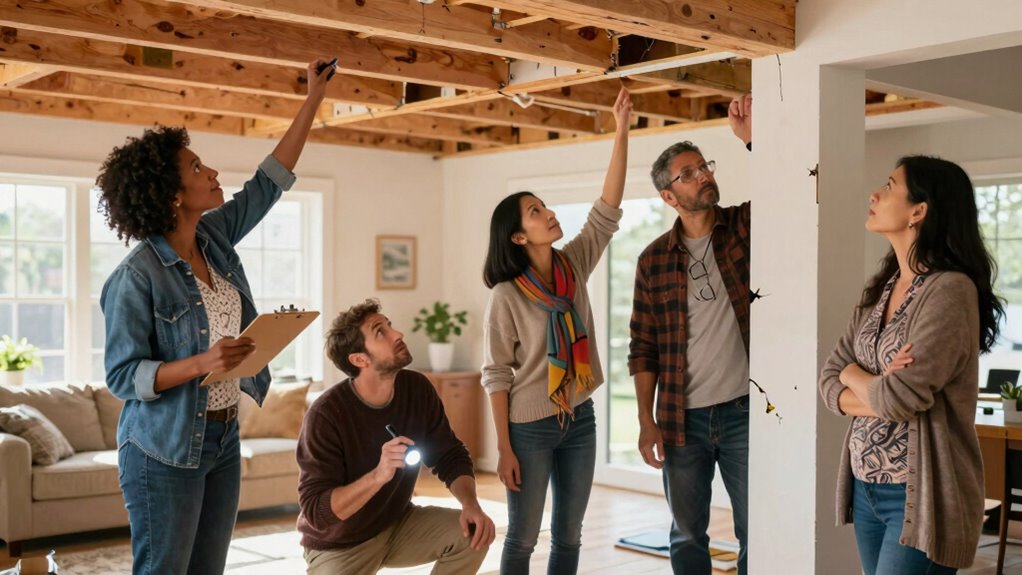
Your home’s frame is like its bones. It keeps everything safe and strong.
If you see uneven floors, cracked walls, or sagging ceilings, it could mean big trouble. These signs can tell you the house mightn’t be safe for your family.
It’s important to act fast and get help from a professional. Checking your home shows you care and want to protect your family’s safety and your family’s future.
A strong home is a happy home.
Want to learn more tips to keep your home safe and strong? Sign up for our email newsletter below!
Checking the Roof for Issues and Leak Risks
Check Your Roof to Keep Your Home Safe and Sound
Your roof is like a big, strong hat for your house. It keeps you safe from rain, snow, and wind. Taking care of your roof shows you love your home and want it to last a long, happy time. When you check your roof, you can find problems early. Fixing small issues now helps keep your home safe and your family proud.
Here’s a simple list to help you look after your roof:
| What to Look For | Why It Matters | What to Do |
|---|---|---|
| Missing shingles | Gaps let water in | Replace missing shingles |
| Green patches (moss) | Can cause damage | Clean and check your roof |
| Sagging spots | Roof not flat | Call a roof expert |
| Water stains | Roof may leak | Fix leaks fast |
Your home is part of your family’s story. Checking your roof keeps that story strong. Be smart, be careful, and take pride in caring for your house.
Want more tips to keep your home safe? Subscribe to our email newsletter below!
How to Detect Plumbing Problems and Leaks

Keep Your Home Safe and Happy: Spot Plumbing Problems Before They Grow
Your home is your safe place—where your family laughs, dreams, and feels loved. Taking care of it shows how much you care. Sometimes, hidden problems like leaks can sneak in and cause big trouble. But don’t worry! You can be a smart hero by checking for signs early.
Look around your house. If you see water stains or damp spots on walls or ceilings, that’s a sign something’s wrong.
Water stains or damp spots? Check your walls and ceilings—early signs of plumbing trouble.
Listen carefully—strange sounds like banging or hissing in the pipes mean trouble. If your drains are slow or make gurgling noises, it’s time to act.
Bad smells near drains or sewer lines also tell you something’s not right. And don’t forget—leaking fixtures or drips are clues that need fixing.
Caring for your home shows pride and keeps your family safe. By catching problems early, you stay in control and keep your house a place of comfort and love.
Be a smart homeowner—watch for signs and act fast!
Want more tips to keep your home safe and sound? Subscribe to our email newsletter below. Let’s protect your home together!
Electrical System Red Flags You Should Know
Watch out for wires that look frayed or burnt. These can be very dangerous and cause fires.
Check your circuit breakers to make sure they’re working well. Old or broken breakers can cause big electrical problems.
Also, don’t put too many things into one outlet. Overloading can be unsafe.
Taking care of your electrical system is part of being proud of your home and keeping your family safe.
Remember, a safe home is part of your legacy.
Want to stay smart and safe? Sign up for our email newsletter below and get helpful tips to protect your home and loved ones!
Visible Wiring Damage
Watch out for damaged wiring in your home. If you see wires that are frayed, cracked, or have burn marks, it’s a sign of trouble.
Loose or exposed wires can be dangerous and cause fires. These problems mean your home mightn’t be safe.
You’re the one who keeps your family safe and proud of your home. Call a professional electrician if you see these signs.
Fixing wiring problems shows you care and keeps your home strong for your family’s future.
Want to learn more easy tips to keep your home safe? Sign up for our email newsletter below!
Outdated Circuit Breakers
Old circuit breakers can be dangerous. If they’re very old, they mightn’t stop a big power surge. This can cause a fire in your home.
You want to keep your family safe and proud of your home. A helper can check your breakers and change them if needed.
When you get new breakers, your home stays safe and strong for a long time. Be smart and take care of your home and family.
Keep your home safe and your family proud. Sign up for our email to get more helpful tips. Fill out the form below to stay safe and smart!
Overloaded Electrical Outlets
Overloaded outlets can be dangerous. When too many plugs are in one outlet, it can cause fires or shocks. You might see cords that are frayed or look worn out.
If the outlet feels warm or hot, that’s a sign you need to act fast. Flickering lights, burn marks, or strange smells are also signs of trouble.
Taking care of your home is part of honoring your family’s safety and keeping everyone happy. Be smart and proud—don’t wait until it’s too late.
Call a safe and trusted electrician if you see these signs. Your home is your legacy, and safety comes first.
Want to stay safe and keep your family protected? Sign up for our email newsletter below!
HVAC Troubles: When to Repair or Replace
Is your HVAC acting up? When your heater or air conditioner isn’t working right, it’s time to think. Do you fix it or get a new one?
Remember, safety is everything. A broken system can be unsafe. If your unit is old—more than 10 or 15 years—it might be time to replace it. New systems are safer and more efficient.
Taking care of your home shows pride and keeps your family comfortable. Sometimes, fixing an old system costs more than a new one.
A friendly expert can check and tell you what’s best.
Your home is your legacy. Make smart choices so your home stays safe, warm, and cozy for years to come.
Want more tips to keep your home happy? Subscribe to our email newsletter below!
Signs of Water Damage and Mold Risks in the Home
Water can hide in your home and cause big problems. It can sneak behind walls or under floors.
If you see things like strange spots on the walls or ceilings, paint that bubbles or peels, a musty smell, soft or warped floors, or dark spots that look like mold, it’s a sign you need to act.
Caring for your home shows pride and keeps your family safe. Fixing these problems early helps protect your house and keeps it a safe, happy place for your family’s future.
Be smart and watch out for these signs. Your home is part of your family’s story — make sure it’s strong and safe.
Want more tips to keep your home safe and strong? Sign up for our email newsletter below.
Identifying Poor Insulation and Ventilation That Increase Energy Costs
Is your home feeling cold or drafty? That might mean your insulation and vents aren’t working right.
When your home isn’t sealed tight, it uses more energy — which costs more money. But fixing this can make your home warm, safe, and cozy. It shows you care about your family’s comfort and your home’s legacy.
Take control now! Check for cold spots on walls, around windows, and doors. Make sure vents and fans are working well.
When you do, you save money and keep your home safe and welcoming.
Want more tips to keep your home smart and safe? Sign up for our newsletter below!
Exterior Checks: Windows, Doors, and Seal Integrity
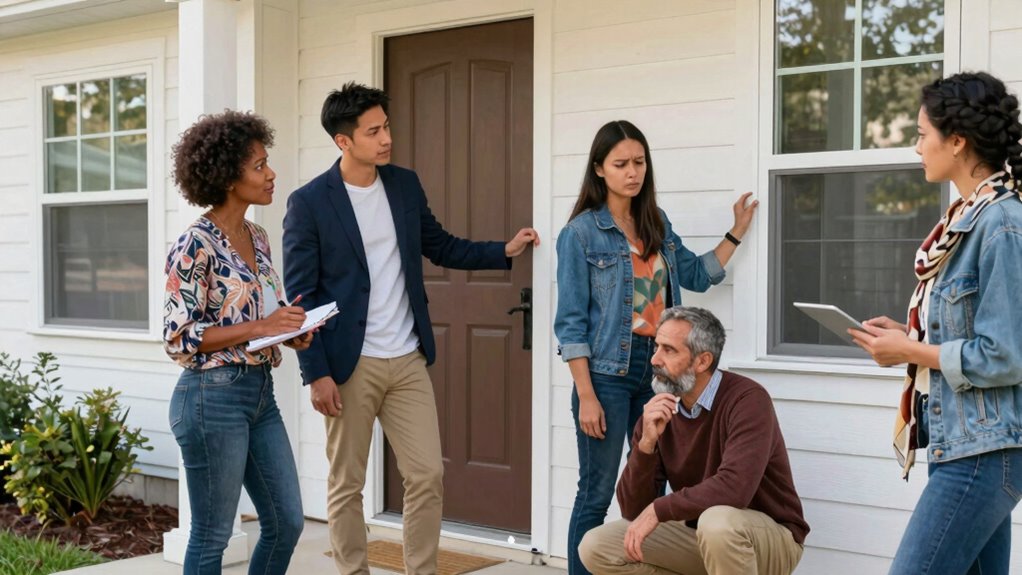
Taking care of your home is like caring for a special treasure. Start by looking at your window frames. If you see cracks or wood that’s rotting, it’s a sign to fix it.
Next, check your door frames. Are they straight and secure? If not, it’s a good idea to fix them so your home stays safe.
Lastly, look around your windows and doors for gaps or cracks in the sealant. These tiny spaces can let in cold air or water, and that’s not good.
When you take care of these little things, you protect your home and keep it strong for your family — just like your parents and grandparents did. Be proud of your home!
Take smart steps to keep it safe and beautiful. Want more tips to care for your home? Sign up for our email newsletter below and stay in control of your home’s health!
Window Frame Condition
Taking care of your window frames is a big part of loving your home. When you check your windows, look for cracks, gaps, or peeling paint.
If you see rotting wood or rust, it’s a sign to fix things before they get worse. Warped or loose frames can let water in and cause damage.
Keep an eye out for water stains or mold, which can be dangerous. Taking care of your window frames shows you care about your home, your family, and your future.
It’s smart to fix small problems now so your home stays safe and happy for years to come. Be a proud homeowner—protect your legacy and keep your home strong.
Want more tips to care for your home? Subscribe to our email newsletter below and stay informed!
Door Frame Alignment
A strong, safe door frame keeps your home safe and cozy. When your door isn’t just right, it can let in cold air or bugs.
But don’t worry! You can check your door frame easily. Look for things like gaps, cracks, or if the door doesn’t close right. These small problems can grow and cause big trouble.
Fixing them shows you care about your home and family. It’s smart to keep your house strong—just like your family’s love and traditions.
Take pride in your home, and keep it safe for everyone. Want more tips to make your home the best? Subscribe to our newsletter below and stay in control!
Sealant and Caulking Integrity
Keep your home safe and cozy! Checking the sealant and caulking around your windows and doors is a smart way to show you care.
Look for cracks, gaps, or peeling paint — these small things can cause big problems. Mold, bubbling sealant, or loose strips mean it’s time to act.
Fixing these issues keeps your home warm, safe, and full of love. It’s a simple way to take pride in your house and keep your family safe for years to come.
Be a smart homeowner — take control and protect your home today!
Want more tips to care for your home? Subscribe to our email newsletter below and stay connected!
Pest Infestations and Wood-Destroying Organisms to Watch For

Don’t Let Tiny Bugs Destroy Your Home!
Your home is where your family feels safe and happy. But tiny bugs can sneak in and cause big problems. If you see small holes, tunnels, or soft wood, it’s a sign that pests are there. These little invaders can damage your house if you don’t find them early.
Look out for these signs:
- Termites: Mud tubes and damaged wood.
- Carpenter Ants: Piles of sawdust and rustling sounds.
- Wood Decay: Dark spots and crumbling wood.
- Wood-Boring Beetles: Tiny exit holes and fine powder.
Caring for your home is caring for your family’s future.
Be smart—check your house often and act fast if you see trouble. Protect your home, your pride, and your legacy.
Want more tips to keep your home safe and strong? Subscribe to our email newsletter below and stay one step ahead!
Environmental Hazards: Asbestos, Lead Paint, and Other Risks
Protect your home and your family from hidden dangers like asbestos and lead paint. These risks can be sneaky and cause harm if not found early.
Look for things like peeling or crumbling paint, strange stains, dusty old materials, or odd smells. If you see any of these, don’t wait—call experts to check it out.
Look for peeling paint, stains, dust, or odd smells—call experts if you notice any signs of danger.
Taking care of these problems shows you’re a smart, caring person who wants a safe, happy home. Protect your family’s health and keep your home a place of pride and love.
Want to learn more about keeping your home safe? Sign up for our email newsletter below and stay informed to make the best choices for your family’s future.
Basement and Garage Red Flags to Watch Out For
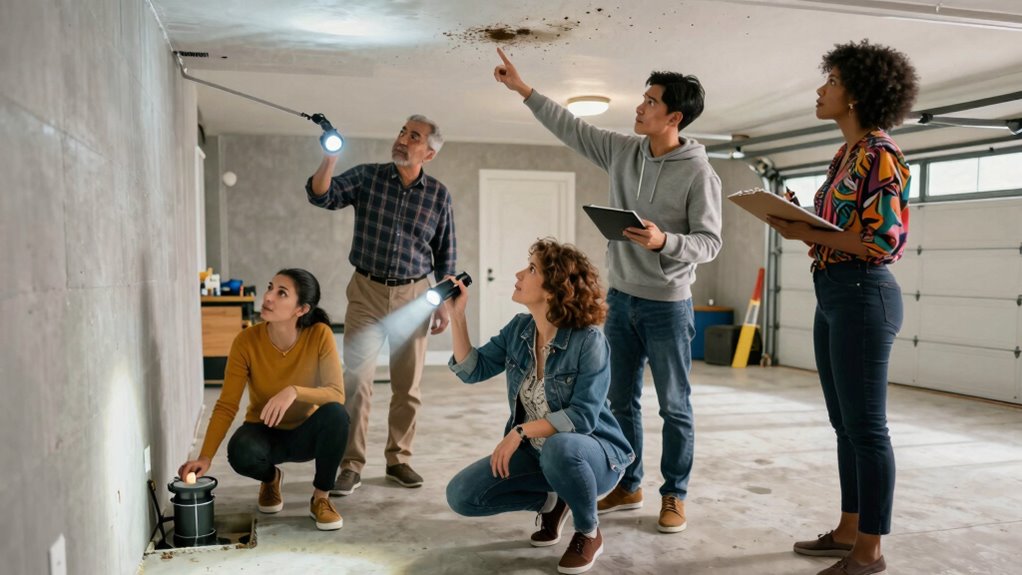
Your basement and garage are more than just spaces for storage—they’re part of your home’s story.
When you see water spots, mold, or cracks, it’s a sign that something might be wrong. Musty smells or pests can also tell you trouble is nearby.
Rusty pipes or damaged appliances mean your home’s safety could be at risk.
Catching these signs early shows you care about your family’s safety and the legacy you’re building.
Be smart, be proud, and keep your home safe and strong.
Want to learn more tips to protect your home? Sign up for our email newsletter below and stay one step ahead!
Detecting Poor Drainage and Landscaping Issues
Keep your yard safe and beautiful! When the water doesn’t drain right, it can cause big problems. Look for puddles around your house, hills that make water go toward your home, or dirt that’s washing away.
Overgrown plants can block the gutters, and cracks in the yard can be a sign of trouble.
Fixing these issues shows you care, keeps your family safe, and helps your home stay strong. It’s smart to take care of your yard now so your home and family stay happy for a long, long time.
Want more tips to keep your home safe and beautiful? Sign up for our email newsletter below!
Recognizing Signs of Water Intrusion and Past Flooding

Keep your home safe and strong.
Look at your walls and ceilings carefully. If you see water stains or changes in color, it might mean water has been there before.
Smell the air—if it smells musty, there could be hidden water or mold.
Check if the walls are cracked or warped—that can also mean water damage from floods.
Taking care of your home shows pride and smart judgment.
Protect your family and keep your home safe for years to come.
Want more tips? Sign up for our email newsletter below and stay informed!
Visible Water Stains
Look for water stains on the walls and ceilings. These stains can mean water sneaked in before. They can look like dark spots, rings, or patches.
Sometimes, the paint may peel or bubble. You might see cracks or mold growing, or soft spots that sag.
Finding these signs is important. It helps keep your home safe, strong, and full of pride. It shows you care and are making smart choices.
Protect your family’s legacy by checking for water stains before you move in.
Want more helpful tips? Sign up for our email newsletter below and stay in control of your home.
Musty Odor Presence
Do you smell something yucky in your home? That musty smell can mean water snuck in and caused trouble.
It might hide in your basement, bathroom, or behind walls. If you don’t fix it, mold can grow and make you sick.
But don’t worry — you can be a hero for your home! Find water problems early and fix them fast.
That way, your home stays safe, cozy, and proud — just like a family’s special place.
Want more tips to keep your home safe and happy? Sign up below to get our newsletter!
Cracked or Warped Walls
Cracks and Warped Walls: What They Mean for Your Home
Your home is a place where memories are made and families grow. When you see cracks or bumps on your walls, it might be a sign that water is trying to sneak in. This can cause your walls to buckle or turn funny shapes. You might see paint that’s bubbling or cracks that aren’t straight.
Sometimes, the wall feels soft or spongy when you touch it. You might also notice stains or spots that look out of place. Wallpaper could start peeling or bubbling up.
Taking care of these signs is very important. It helps keep your home safe and strong. It shows you love your home and want it to last a long time.
Being smart and quick can save you money and keep your family safe. Remember, your home is part of your family’s story—make sure it stays safe and beautiful for years to come.
Want to learn more tips to protect your home and family? Sign up for our email newsletter below. We’re here to help you keep your home safe and proud!
Exterior Cladding and Siding Problems That Need Attention
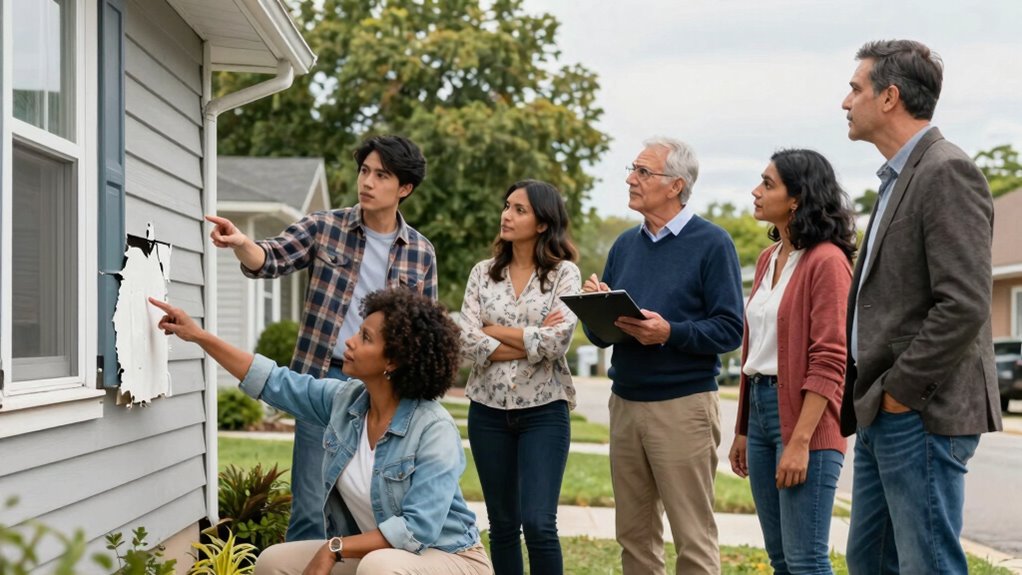
Your home’s outside is like a shield that keeps your family safe from bad weather. When the siding or cladding has cracks, warping, or bubbles, it’s a sign that your home needs help.
Missing or loose panels can make your home weaker and less safe. If you catch these problems early, you can fix them before they get worse.
Missing or loose panels weaken your home—spot and fix them early to keep your family safe.
Taking care of your home shows you love it and want it to last a long time. It’s smart to protect your home’s big story — your family’s safety and happiness.
Want to learn more about keeping your home strong and safe? Sign up for our email newsletter below and stay in the know!
Home Safety Features: Are Smoke Alarms, Carbon Monoxide Detectors Working?
Is Your Home Safe? Make Sure Your Smoke Alarms and Carbon Monoxide Detectors Are Working!
Your home is where your family’s love grows. It’s where your children laugh, your parents rest, and your special moments happen. That’s why it’s so important to keep everyone safe. One way to do that is by checking your smoke alarms and carbon monoxide detectors.
Imagine a fire or bad gas happening while you’re asleep. Would your alarms wake you up? You want to be sure they will! So, take a moment to check them today. Make sure they beep loudly when you press the test button. Look for dust or dirt that might block them. Change the batteries if they’re old.
And remember, detectors don’t last forever — replace them if they’re expired.
Place alarms on every floor of your home, especially in bedrooms and hallways. This simple step shows you care, keeps your family safe, and shows your smart judgment. It’s a tradition of love and protection you pass down through generations.
Be proud of the safety you create. Take control now to keep your home a safe place for everyone you love.
Want more helpful tips like this? Sign up for our email newsletter below and stay one step ahead in keeping your home safe!
Red Flags in Older Homes That Signal Major Repairs

Old homes are full of charm and history, but they can also hide big problems. Cracks in the walls, sloping floors, or wood that looks rotten—these are signs that repairs might be needed.
Water stains or mold can mean there’s a leak that needs fixing. If you see these signs, it’s smart to ask a professional for help.
Fixing problems early keeps your family safe and helps your home stay strong. Owning an old home is a special thing—it’s part of your family’s story.
Want to learn more tips to care for your home? Sign up for our email newsletter below and stay in the know!
What to Look for in New or Renovated Homes
When you look at a new or updated home, it’s important to check a few things. Make sure the foundation is strong and the floors are even—that’s how you know the house is safe and built right.
Turn on the water and lights to see if everything works and if it’s up to the rules. Doing these simple checks helps you feel proud of your home and keeps you safe.
It’s smart to look carefully so your home can be a happy, safe place for your family for a long, long time.
Want more tips on home safety and making good choices? Sign up for our email newsletter below and stay in the know!
Structural Integrity and Foundation
Your home is more than just a house — it’s a place where your family’s safety, pride, and memories live. The foundation and walls keep everyone safe and comfortable.
But sometimes, problems hide under the surface. Look for small signs like cracks in the walls or ceilings, floors that aren’t flat, doors or windows that stick, or walls that seem to shift or bulge.
Also, watch for water spots near the foundation. These tiny clues can tell you if your home is strong and safe or if it needs care.
Taking care of your home today helps keep your family’s future bright. Be smart, be safe, and protect what matters most.
Want more tips to keep your home safe and strong? Sign up for our email newsletter below — and stay in control of your home’s future!
Plumbing and Electrical Systems
Your home is a special place where you feel safe and happy. Taking care of the plumbing and electrical systems helps keep your home safe and working just right. When everything works well, you can be proud of your home and protect your family.
Check for leaks or drips in the pipes—these can cause big problems later. Look for rust or corrosion—these show your pipes need attention. Make sure water pressure is just right, not too high or low.
For the electrical parts, see if outlets work like they should. Watch for flickering lights or sparks—these can be dangerous. Make sure your breaker box is safe and working well.
Taking care of these things is a smart choice. It shows you care about your home and your family’s safety.
Be a good steward of your home’s legacy—keep it strong and safe for years to come.
Want more tips to keep your home safe and happy? Sign up for our email newsletter below and stay in the know!
How to Document and Prioritize Repair Needs

Taking care of your home is a big job, but it’s also a chance to show you care. First, make a list of all the repairs your home needs.
Think about what’s most important—things that keep everyone safe, fix problems that make daily life hard, and things that can cost a lot or take time.
Also, consider how fixing these things can make your home better and hold onto your family’s proud tradition. When you do this, you’re making smart choices to protect your home and your family’s future.
It’s your home, your legacy, and you have the power to keep it safe and beautiful.
Ready to learn more about caring for your home? Sign up for our email newsletter below and get helpful tips sent right to you!
Negotiating Repairs Based on Inspection Findings
When fixing problems in your home, put safety first. Make sure the big, dangerous issues are fixed before anything else.
Take your time and get a few guesses from different repair people. Be clear about what matters most to you. Doing this shows you care about your home and your family.
It also helps you make smart choices and keep control. Your home is part of your family’s story and tradition. Fixing it right shows pride and care.
Want more tips to keep your home safe and strong? Sign up for our email newsletter below and stay in the know!
Prioritizing Critical Repairs
When you find a new home, you want to make sure it’s safe and strong.
After looking at the home report, pick the most important repairs first. These are things that keep your family safe and protect your home’s future.
Fixing problems like a shaky foundation, leaks that can cause water damage, electrical issues that could start a fire, a broken roof that might leak, or cracks in the foundation — these are top priorities.
Taking care of these shows you’re a smart home owner who cares about your family’s safety and your home’s legacy.
Want to learn more tips to protect your home? Sign up for our email newsletter below — we’re here to help you make the best choices!
Effective Negotiation Strategies
Buying a home is a big step. When you find problems after the home inspection, it can feel scary.
But don’t worry! You can be smart and careful. Focus on the most important safety issues.
Tell the seller exactly what needs fixing. Stay friendly and calm, and talk clearly.
Remember, this is about making a safe and happy home for your family. It’s your chance to protect what’s important—your safety, your pride, and your future.
Be in control and make good choices.
Want more tips to help you? Sign up for our email newsletter below and stay smart on your home journey!
When to Walk Away or Proceed With Caution
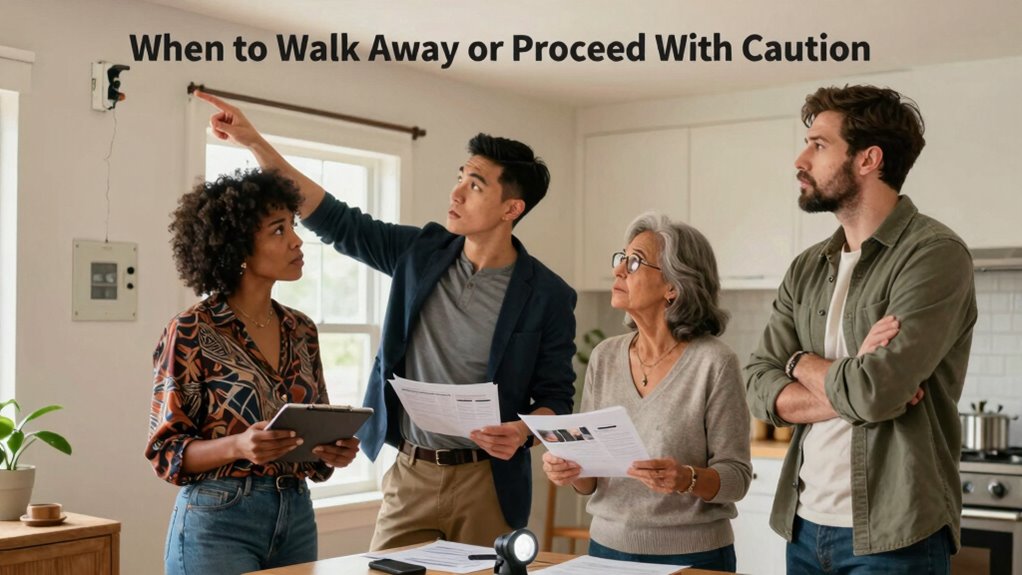
Know When to Walk Away and When to Be Careful
Buying a home is a big step. It’s a moment to feel proud and safe.
But sometimes, things in a house aren’t right. If you see big problems like cracks in the walls, water stains, or faulty wires, it’s a sign to be careful. These issues can cause safety problems later on.
Trust your feelings. If something feels wrong, it’s okay to walk away or ask for repairs.
Your home should be a place of safety, love, and family traditions. Making smart choices now helps you create a safe and happy future.
Want to learn more about making the best home choices? Sign up for our email newsletter below and stay in the know!
Final Tips for a Smooth Home Inspection and Closing
Getting ready for your new home? It’s exciting! To make sure everything goes just right, be prepared.
Keep your home tidy and easy to walk through. Gather all your important papers and think of questions to ask.
Stay calm and talk kindly with your inspector. Fix problems quickly so your home stays safe and strong.
Doing these small things shows you care about your family’s safety and your new start. This is your chance to build a happy, safe place to make memories that last forever.
Want more tips to help you? Sign up below and join our family of smart homeowners!
Conclusion
Buying a home is a big step. It’s more than just four walls; it’s about safety, pride, and building a future. Before you say “yes,” do a home inspection. It’s like a superhero shield that helps you see if the house is strong and safe. If you find problems, you can fix them or decide it’s not the right house. Taking your time and asking questions shows you care and are smart. This is how you protect your family’s safety and keep your home a happy place for years to come. Remember, a good home is a legacy you can be proud of. Want more tips to make smart choices? Sign up for our email newsletter below.